
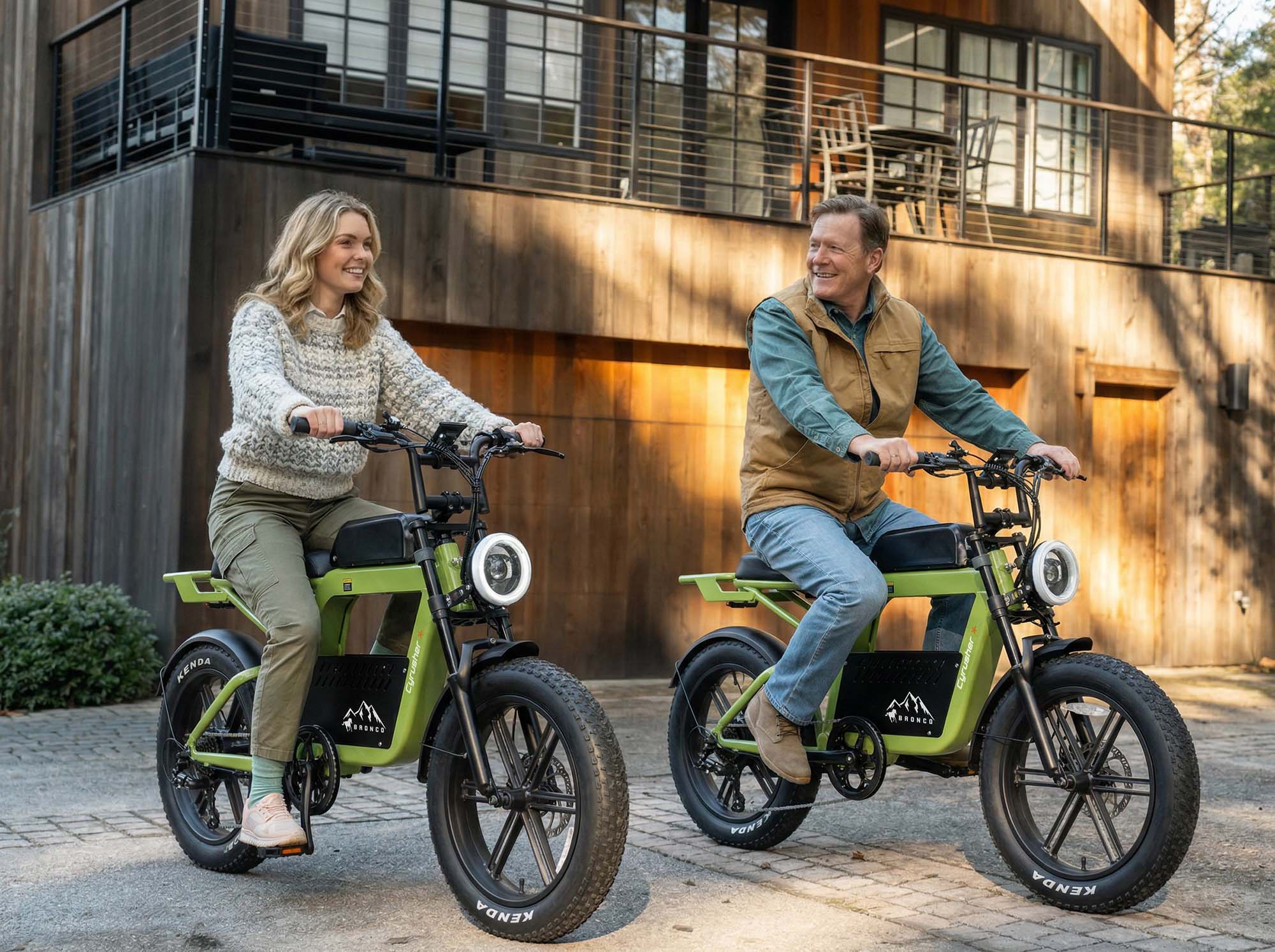
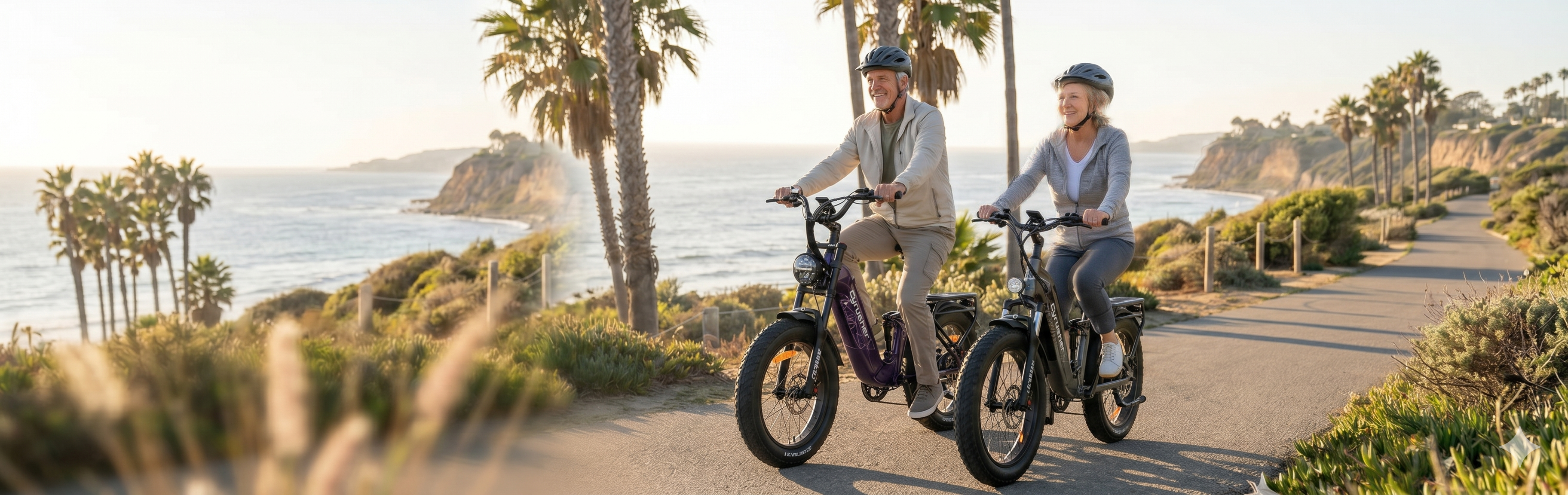
Electric bikes have become one of the most popular ways to enjoy cycling without the pressure of intense workouts or long-distance training. For many riders, the goal is simple: ride more often, feel comfortable, and enjoy the journey. Casual riders usually care more about comfort, stability, and easy handling than top speed or aggressive performance. In this guide, we will explore how to choose the best casual electric bike, what features really matter, and which types of e-bikes fit different riding styles.
Why E-Bikes Are Perfect for Casual Cycling
Electric bikes remove many of the barriers that stop people from riding regularly. Hills become easier to climb, longer distances feel manageable, and riders can enjoy the outdoors without worrying about exhaustion.
For most users, a relaxed and casual riding experience is the real draw of an e-bike, rather than chasing thrilling off-road adventures. That's why choosing a comfortable, durable model often makes more economic sense than splurging on high-performance specs.
Pedal assistance lets riders keep a relaxed pace while enjoying light exercise, making e-bikes ideal for weekend rides, neighborhood cruising, scenic trails, and short daily trips.
Still, no single e-bike fits everyone—comfort standards and performance needs vary widely. That's why considering your personal fit and riding style is key when choosing one.

How to Choose the E-bike for Casual Cycling
Different riding environments require different bike designs. Casual riders should consider where they plan to ride most often before choosing a bike.
Bike Fit and Comfort
When choosing the best e-bike for casual riding, fit should always come first. A well-fitting bike will feel stable, natural, and enjoyable. If the bike does not fit your body properly, even the most advanced motor cannot make the ride comfortable. A comfortable bike encourages you to ride more often. If you feel relaxed on the saddle and your posture feels natural, it becomes easier to develop a regular riding habit.
For casual cycling, an upright riding position is usually the most comfortable choice. Bikes that allow riders to sit more upright reduce pressure on the lower back and shoulders.
Casual riders usually benefit from bikes that promote a relaxed body posture with a comfortable saddle, easy step-through or low frame, suspension system and adjustable handlebars.
This frame design reduces restrictions on the rider's leg movement while enabling effortless mounting and dismounting without straining to lift the legs. It helps the rider maintain a relatively upright riding posture, minimizing fatigue during cycling and making it more accessible for a large group of riders.
A proper bike fit also reduces pressure on the wrists, neck, and lower back—something especially important for older riders or beginners who aren't used to long cycling sessions.
Before buying an electric bike, it's always a good idea to test ride different models and frame sizes.
Try E-Bikes at Local Stores Before Buying
Online research is helpful, but nothing replaces the experience of riding an e-bike in person. Visiting a local bike shop allows you to feel the difference between various models, motor types, and riding positions.
Many first-time riders are surprised by how different electric bikes can feel. Some bikes accelerate smoothly, while others deliver stronger power. Some frames feel upright and relaxed, while others position the rider in a more aggressive stance.
Trying different brands in local stores lets you get a real feel for how pedal assist works, so you can understand its responsiveness firsthand.
You'll also compare riding comfort across models, test braking and handling on actual rides, and find the perfect frame size that fits your body.
This hands-on experience often saves riders from the disappointment of a bike that looks great online but feels awkward or uncomfortable in real life.
Riding Distance and Scenairos
Before choosing an e-bike, think about how far you plan to ride regularly. Many casual riders travel between 10 and 30 miles per ride. Battery capacity and motor efficiency determine how far an e-bike can go on a single charge. A larger battery usually means longer range, but it may also increase the bike's weight.
Think ahead about your intended riding scenarios and terrain. If you'll tackle uneven surfaces or hill climbs, choose higher-spec motors and batteries for superior power.
For leisurely rides on flat everyday roads, basic motor and battery setups will do just fine.
Then, match battery capacity to your planned distances and environments, striking the best balance between range and bike portability.

Choosing Reliable Components for Easy Maintenance
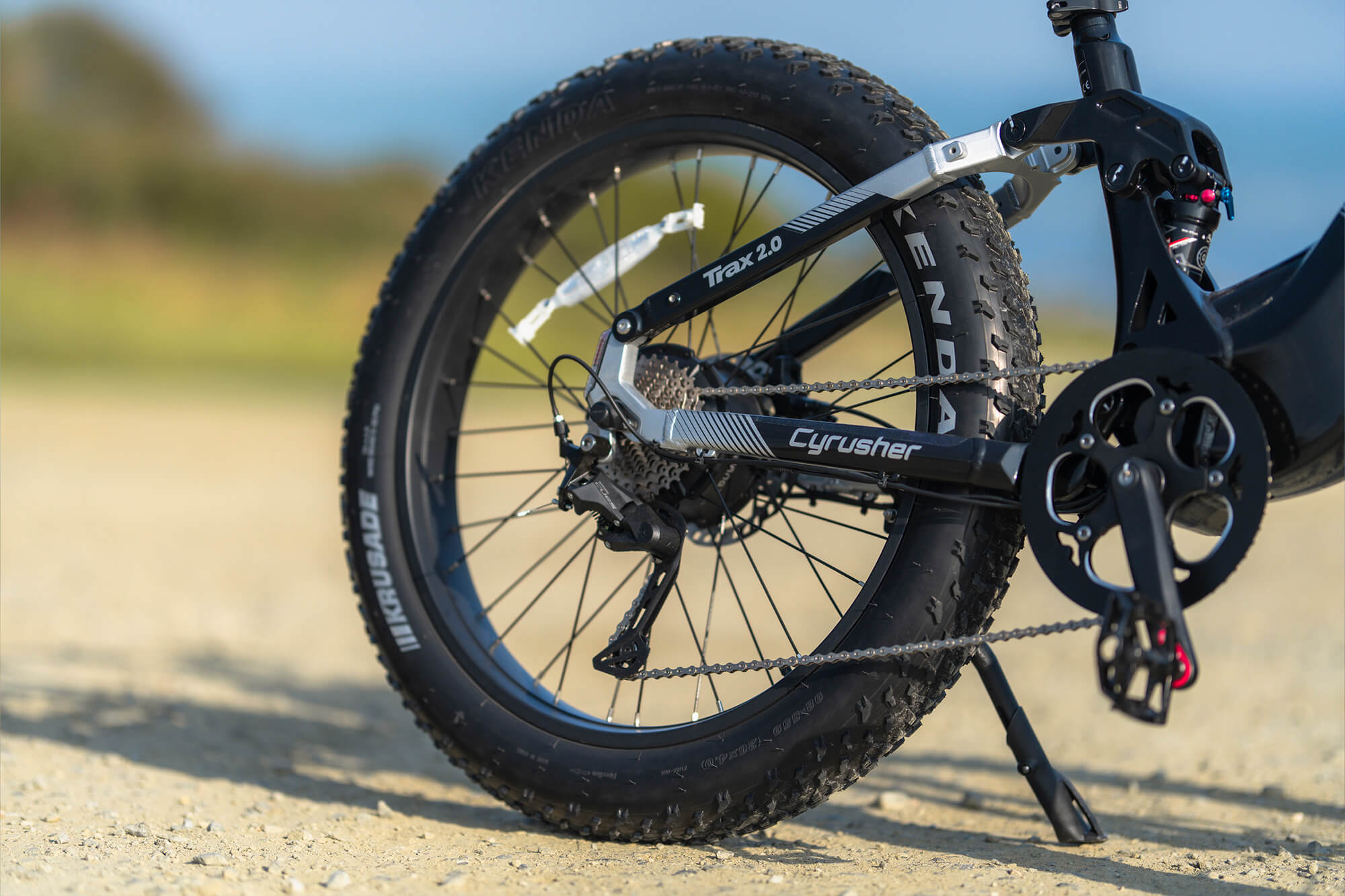
E-bike components play an important role in durability and long-term reliability. Well-known component brands often provide better quality and easier maintenance.
For example, Shimano drivetrains are widely used across the cycling industry. Their parts are easy to replace, widely available, and supported by most bike shops.
For casual riders who want a simple and worry-free experience, choosing bikes with trusted components can make ownership much easier.
E-Bike Weight
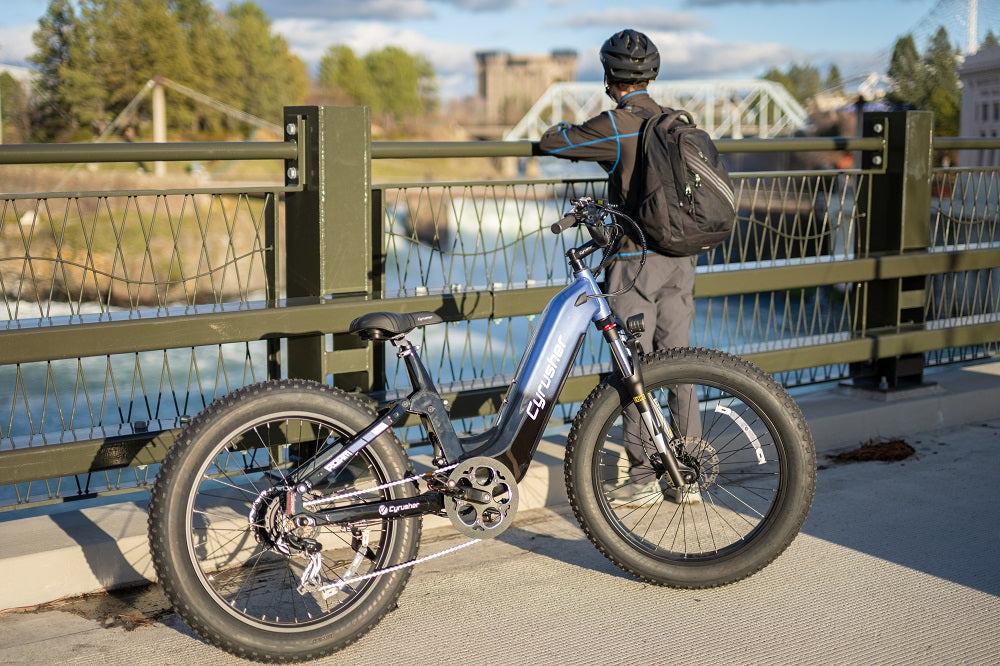
Many beginners overlook bike weight, but electric bikes are naturally heavier than traditional ones due to the battery and motor—yet lighter e-bikes prove easier to handle in everyday life, from pushing and lifting to transporting them. Weight matters most when carrying the bike upstairs, loading it onto a car rack, or riding without motor assistance, so casual riders should aim for a model that balances durability with manageable weight.
Warranty
Another important factor is the bike warranty. Electric bikes include motors, batteries, and electronic controllers. Choosing a brand that offers a reliable warranty and good customer support can save money and frustration in the future. Most e-bike brands offer reliable warranty periods, such as Trek e-bikes, Cyrusher e-bikes, and others.
E-Bike Advanced Technology
Modern e-bikes include many new technologies that improve riding performance and efficiency. Before choosing a bike, it is helpful to understand some of these features.
One example is the switchable sensor system, which allows riders to choose between different types of pedal assist sensors. Some bikes use cadence sensors that provide smooth assistance when pedaling, while others use torque sensors that adjust power based on pedaling strength.
Switchable sensors combine the advantages of both systems, giving riders a more flexible riding experience.

As the industry continues to evolve, advanced technological updates can simultaneously enhance the cycling experience. When selecting a electric bike, one may consider both the latest technical features and fundamental performance requirements to optimise daily cycling experience.
The Type of E-Bike for Casual Riding
Road E-Bikes/ City E-bikes for Smooth City Riding
Road e-bikes are designed for paved roads and smooth bike paths. They usually have thinner tires and lighter frames, which make them efficient for longer rides on flat surfaces.
These bikes are suitable for riders who enjoy cruising on bike lanes, city streets, or scenic roads. However, some road bikes have a more forward-leaning position, which may not be ideal for riders who prefer a relaxed posture.
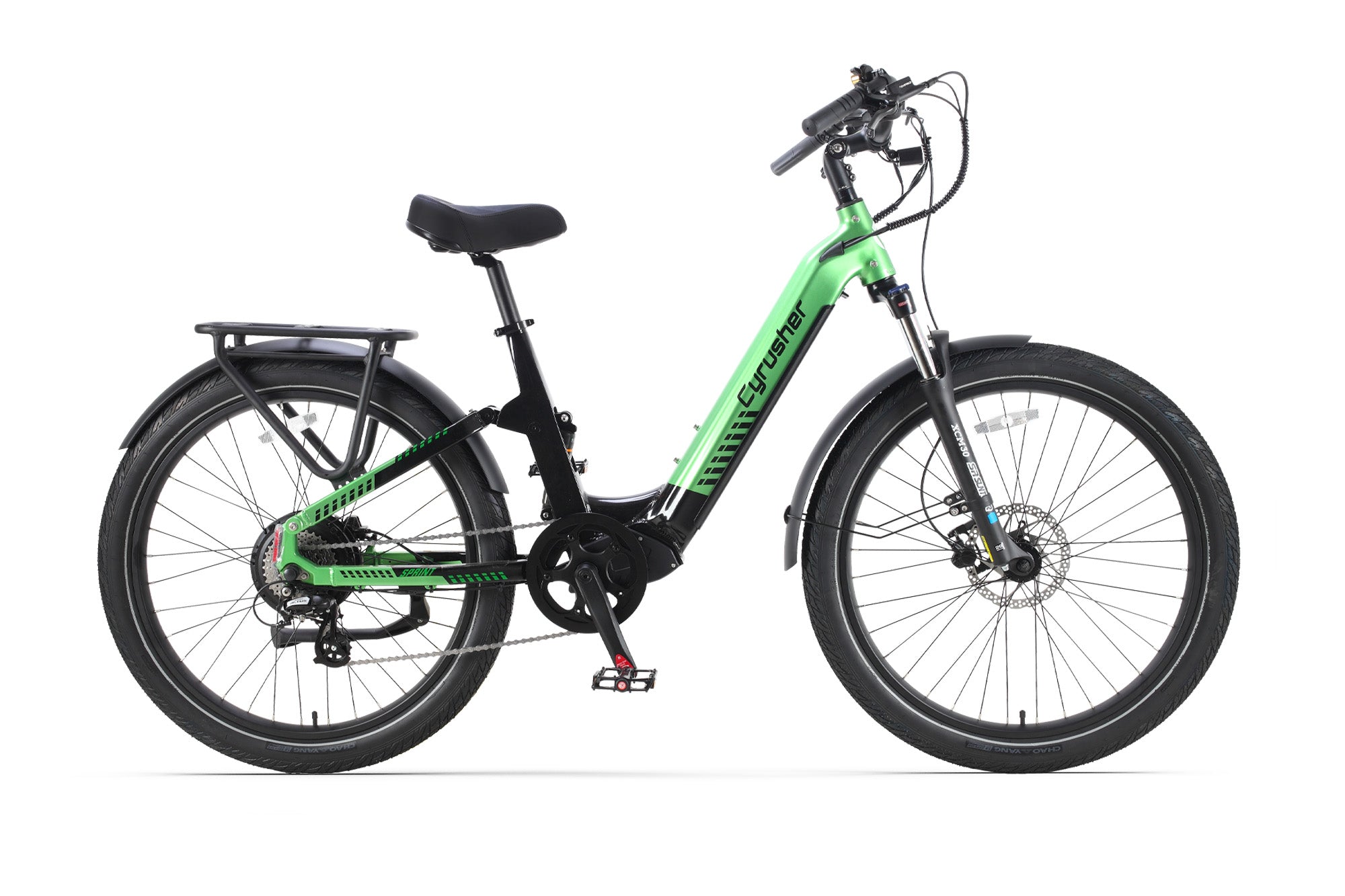
Road e-bikes always come with slim tires for better riding efficiency, like the Cyrusher Sprint equipped with 700c city tires. The Cyrusher Sprint features a 48V 15Ah battery for up to 59 miles of range and full suspension for advanced comfort, making it suitable for riders seeking a portable riding style.

Gravel E-Bikes for Mixed Terrain Adventures
Gravel e-bikes are becoming increasingly popular because they are extremely versatile. They can handle both paved roads and light off-road paths such as gravel trails, park roads, and countryside routes. The wider tires provide better stability and comfort compared to traditional road bikes. For riders who enjoy exploring new routes, gravel e-bikes offer a great balance between speed and comfort.
Hybrid E-Bikes for Everyday Casual Riding
Hybrid e-bikes are often considered the best electric bikes for casual riders. They combine features from road bikes and mountain bikes, creating a comfortable and practical design.
Hybrid bikes typically offer good balance between speed and stability. Because of their versatility, hybrid e-bikes are perfect for commuting, weekend rides, and everyday cycling.
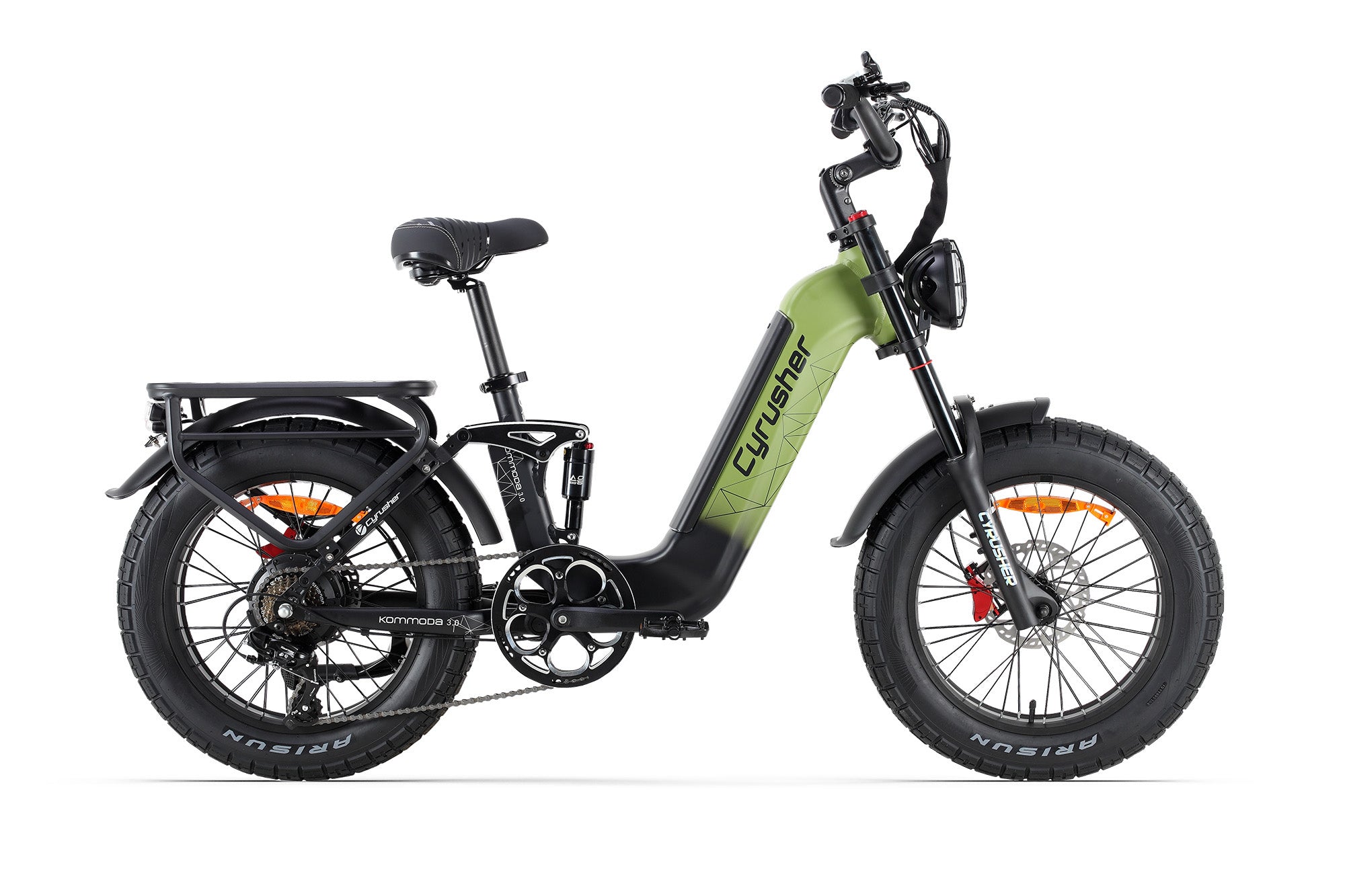
The Kommoda 3.0 step-through e-bike comes equipped with mid-fat tires and a compact frame, striking a great balance between stability and speed. Many riders love its low step-in frame for easy, comfortable starts, while the stable design offers reliable cargo capacity. That's why so many choose it as their first e-bike.

Electric Mountain Bikes for Trail Exploration
Electric mountain bikes are built for rough terrain and off-road riding. They feature strong frames, suspension systems, and wide tires for traction. Although they are designed for trails, some casual riders still prefer them because the suspension provides extra comfort on uneven surfaces.
However, mountain e-bikes are usually heavier than other categories, which may not be necessary for simple leisure rides.
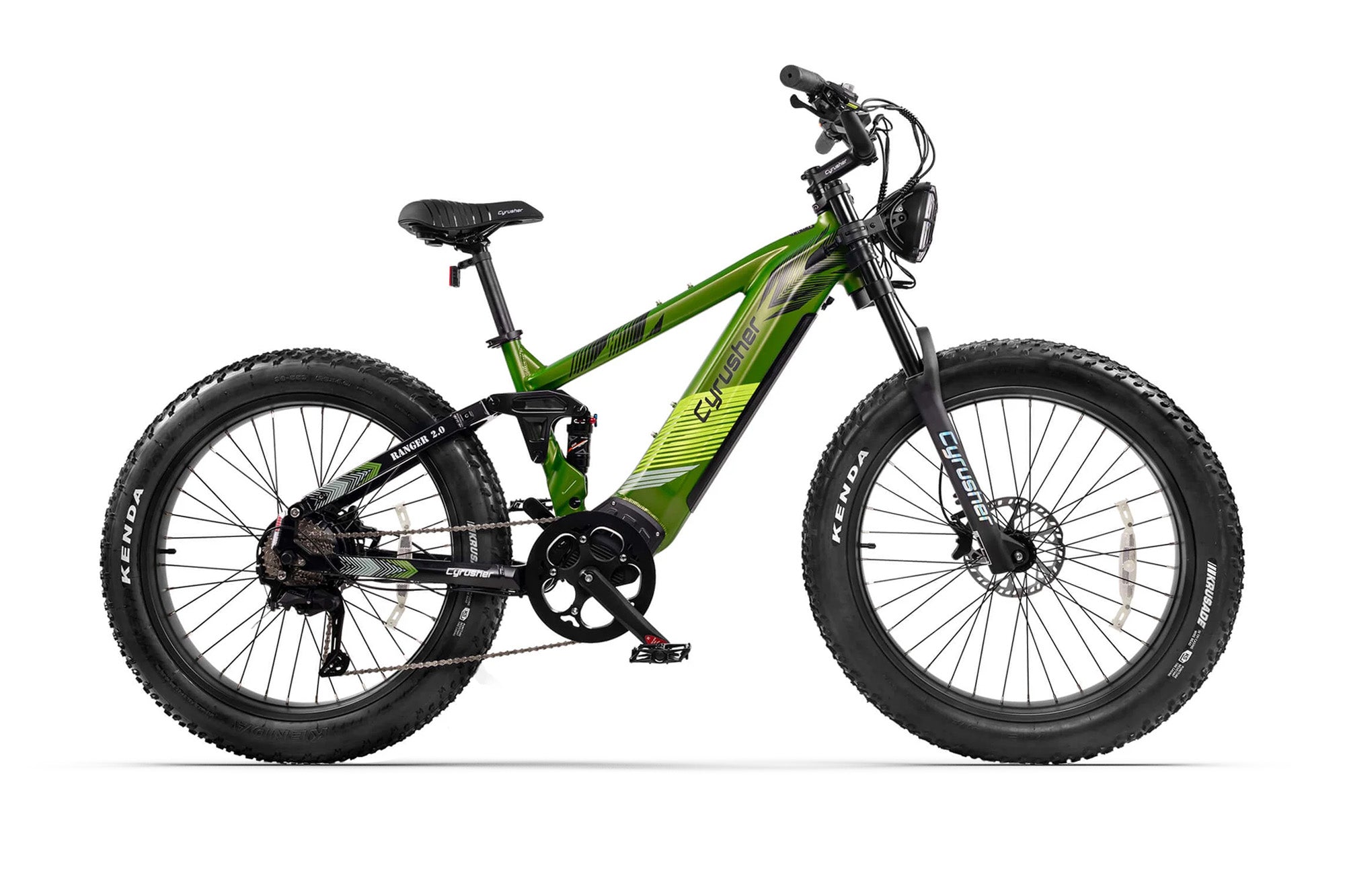
Electric mountain bikes deliver robust performance with full suspension and strong hill-climbing power. Models such as the Ranger e-bike, equipped with a powerful motor system paired with a 52V 20Ah battery, can tackle diverse and challenging terrain. Front and rear suspension systems effectively mitigate discomfort caused by uneven surfaces, ensuring a reliable ride.

How to Choose from Different Type?
Electric bicycle classifications aren't an essential buying guide—names shift as models evolve. Instead, prioritize your needed specs and performance to find the right fit.
For example, if efficiency with narrow tires matters but you'll face complex terrain, go wider. Crave more comfort? Pick full suspension. Want extended range? Focus on battery capacity.
This simplified classification system is just an intro to e-bikes—careful consideration of your requirements leads to the best purchase.
Conclusion
The best e-bike for casual cycling is not always the fastest or the most powerful. Instead, it is the bike that feels comfortable, fits your body well, and encourages you to ride regularly. By focusing on fit, riding position, reliable components, and practical features, casual riders can find an e-bike that turns everyday cycling into an enjoyable habit. When the bike feels right, riding becomes something you look forward to rather than something you force yourself to do. And that is the real goal of casual cycling.
Q & A
-
How much should a good casual e-bike cost?
A reliable casual e-bike usually costs between $1,200 and $3,000. Higher-quality components, better batteries, and improved motor systems often increase the price.
-
Are heavier e-bikes harder to ride?
Heavier e-bikes can feel more stable, but they may be harder to carry or transport. Casual riders usually prefer bikes that balance strength with manageable weight.
-
How far can a casual e-bike ride on one charge?
Most casual e-bikes can travel between 25 and 60 miles on a single charge, depending on battery size, terrain, and pedal assist level.
-
Do beginners need expensive e-bike technology?
Not necessarily. Beginners mainly need a comfortable bike with reliable components and a smooth pedal assist system. Advanced technology is helpful but not always essential.




Share:
How to Maintain E-Bike Tire
How to Choose the Best Commuter E-Bike: 2026 Complete Buyer’s Guide